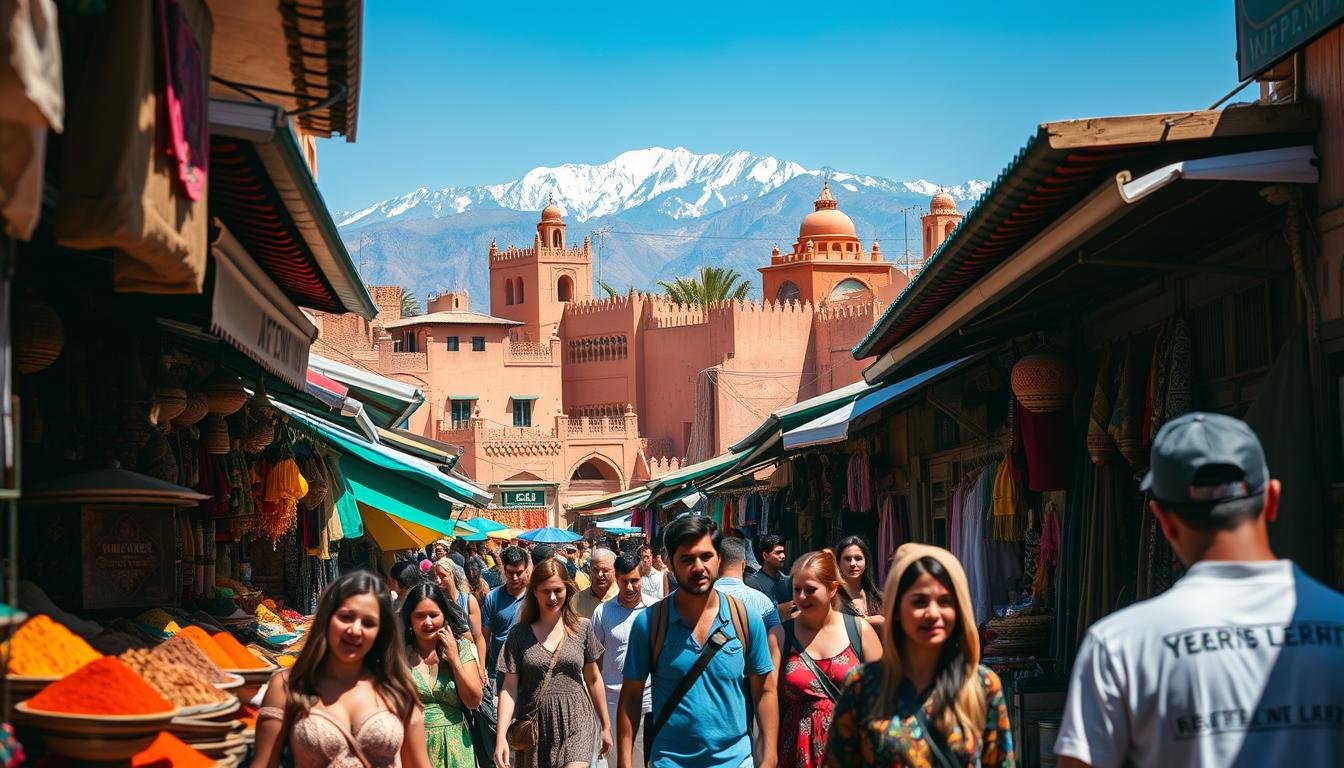
Morocco, a country known for its rich cultural heritage and breathtaking landscapes, is a popular destination for travelers worldwide. As you plan your trip to this beautiful country in 2025, a common question arises: how safe is Morocco for tourists?
While Morocco has made significant strides in ensuring tourist safety, petty crimes and scams can still occur, as in many other tourist destinations. Understanding the local environment and being aware of your surroundings can greatly enhance your travel experience.
Recent travel advisories have highlighted the importance of vigilance, particularly in crowded areas and tourist hotspots. By staying informed and taking necessary precautions, you can have a safe and enjoyable journey in Morocco.
Key Takeaways
- Morocco is generally considered safe for tourists, with some precautions.
- Petty crimes and scams can occur, especially in crowded areas.
- Staying informed about local conditions is crucial.
- Vigilance is advised, particularly in tourist hotspots.
- Understanding local customs and culture can enhance your travel experience.
Current Safety Overview of Morocco in 2025
Traveling to Morocco in 2025 requires an understanding of the current safety environment, which is shaped by recent developments and government warnings. Morocco has been working to enhance its security measures, particularly in tourist areas.
Recent Safety Developments
In recent years, Morocco has seen significant improvements in safety, thanks to enhanced security measures and increased cooperation with international partners. Tourist areas are now more secure, with visible police presence and surveillance.
Government Travel Advisories
Government travel advisories provide crucial insights into the safety situation in Morocco. As of 2025, many governments have updated their advisories to reflect the current conditions. For instance, the U.S. Department of State advises travelers to exercise normal precautions when visiting Morocco.
General Safety Compared to Other North African Countries
Morocco is generally considered one of the safer countries in North Africa. A comparison with neighboring countries reveals that Morocco has a lower crime rate and more stable political environment.
| Country | Crime Rate | Political Stability |
|---|---|---|
| Morocco | Low | High |
| Algeria | Medium | Medium |
| Tunisia | Medium | Low |
Is It Safe to Travel to Morocco? The Reality Behind the Headlines
Morocco’s safety record is frequently discussed, but what are the real facts behind the headlines? As a popular tourist destination, Morocco attracts visitors from around the world, including many Americans. Understanding the safety landscape is crucial for making informed travel decisions.
Crime Statistics for Tourists
According to official statistics, crime rates against tourists in Morocco are relatively low. Petty theft and scams are the most common issues, similar to many other tourist destinations. For instance, in 2022, the Moroccan government reported a significant decrease in criminal activities in major tourist areas.
Common Misconceptions
Many travelers harbor misconceptions about Morocco’s safety due to sensationalized media coverage. It’s essential to separate fact from fiction. For example, while terrorism is a global concern, Morocco has been proactive in counter-terrorism efforts, making it a relatively safe country compared to some of its neighbors.
Real Experiences from American Travelers
Numerous American travelers have visited Morocco without incident.
“We felt very safe during our trip to Morocco. The locals were friendly, and we encountered no major issues.” – John and Sarah, USA
Such testimonials highlight the positive experiences many have in Morocco. However, as with any travel, taking normal precautions is advisable.
By understanding the crime statistics, dispelling common misconceptions, and learning from the experiences of other American travelers, you can make a more informed decision about your trip to Morocco.
Navigating Morocco’s Cities: Safety Guide for Popular Destinations
Morocco’s vibrant cities are a treasure trove of experiences, but navigating them safely requires some insider knowledge. As you explore these urban centers, understanding the local safety landscape can significantly enhance your travel experience.
Marrakech: Medina and Tourist Areas
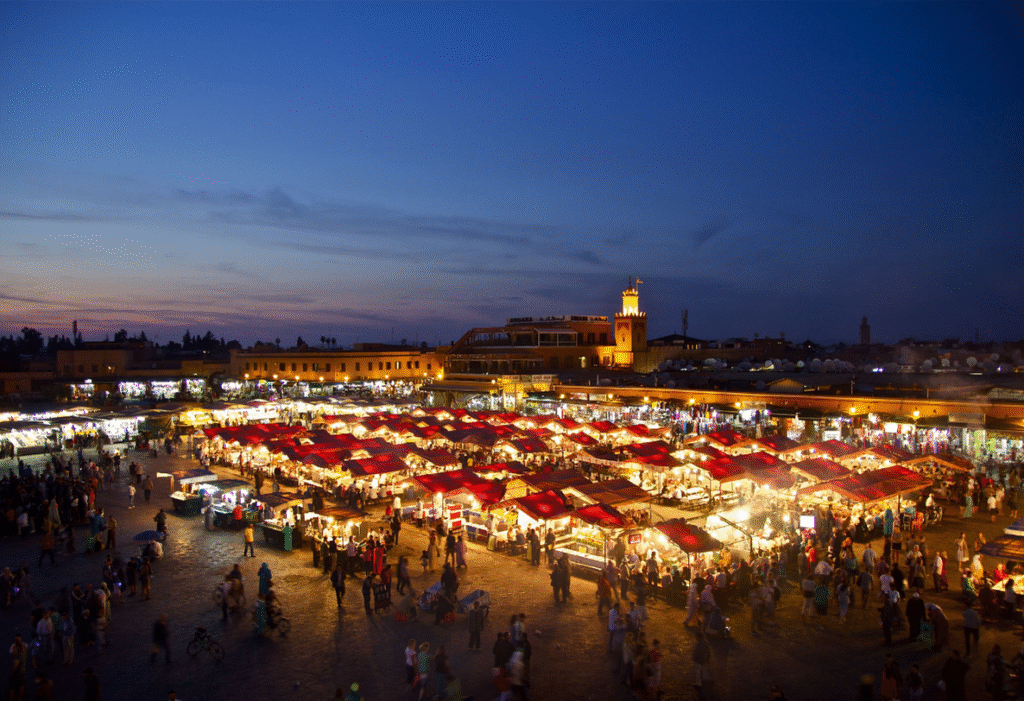
Marrakech, with its bustling medina and vibrant markets, is generally safe for tourists. However, be cautious of pickpocketing in crowded areas and petty scams targeting tourists. Staying aware of your surroundings and keeping valuables secure can help minimize risks.
Casablanca: Urban Safety Considerations
Casablanca, Morocco’s economic hub, presents a different urban landscape. While it’s generally safe, be mindful of traffic and pedestrian safety. Avoid displaying signs of wealth, and be cautious when using ATMs or exchanging money.
Fez and Chefchaouen: Old City Precautions
Fez and Chefchaouen, with their ancient medinas, require extra caution due to narrow streets and potential for getting lost. Wear comfortable shoes, stay hydrated, and consider hiring a local guide to navigate these historic areas safely.
Tangier and Northern Coastal Regions
Tangier, with its rich history and coastal views, is generally safe, but be aware of your surroundings, especially at night. The northern coastal regions offer scenic views and are relatively safe, but always check local advice for any areas to avoid.
Here’s a quick comparison of safety tips across these cities:
| City | Safety Tip 1 | Safety Tip 2 |
|---|---|---|
| Marrakech | Be cautious of pickpocketing | Avoid engaging with scams |
| Casablanca | Be mindful of traffic | Secure your valuables |
| Fez/Chefchaouen | Wear comfortable shoes | Consider a local guide |
| Tangier | Stay aware of your surroundings | Avoid walking alone at night |
“The key to a safe and enjoyable trip to Morocco is being informed and prepared. Understanding the local culture and taking necessary precautions can make all the difference.”
Desert Excursions and Rural Areas: Safety Considerations
Morocco’s diverse landscapes, from the Sahara Desert to the Atlas Mountains, offer exciting opportunities for exploration, but safety should always be a top priority. Whether you’re embarking on a Sahara tour, hiking through the mountains, or visiting remote villages, understanding the safety considerations is crucial for a smooth and enjoyable trip.
Sahara Tours and Overnight Stays
When venturing into the Sahara Desert, it’s essential to choose a reputable tour operator. Many operators offer guided tours that include overnight stays in desert camps. These tours can be a fantastic way to experience the beauty of the desert, but they require careful planning. Ensure that your tour includes experienced guides, appropriate accommodations, and necessary safety equipment.
“The desert is a vast and unforgiving environment. A good guide can make all the difference between a memorable adventure and a dangerous ordeal.”
Atlas Mountains and Hiking Safety
The Atlas Mountains offer some of the most spectacular hiking trails in Morocco. However, hiking in these mountains can be challenging due to the rugged terrain and unpredictable weather. Always check the weather forecast before heading out, wear appropriate clothing and footwear, and consider hiring a local guide if you’re not experienced in hiking.
- Wear sturdy hiking boots and layers for changing weather.
- Bring sufficient water and snacks.
- Inform someone of your hiking plans and expected return time.
Remote Villages and Transportation
Traveling to remote villages can be a rewarding experience, but it requires careful planning. The roads can be rough, and public transportation may be limited. Consider renting a 4×4 vehicle or hiring a driver for the day. When visiting villages, be respectful of local customs and traditions.
| Safety Tip | Description |
|---|---|
| Choose Reputable Operators | For Sahara tours and other adventures, select operators with good safety records. |
| Prepare for the Environment | Bring appropriate gear for desert or mountain conditions. |
| Respect Local Customs | Be mindful of cultural norms when visiting remote villages. |
Common Safety Concerns for American Travelers
Morocco, a popular destination for American tourists, has its share of safety concerns that travelers should be aware of. While the country is generally considered safe, there are specific issues that American visitors should be cautious about to ensure a smooth and enjoyable trip.
Petty Theft and Scam Prevention
Petty theft is a common concern in tourist areas. To protect yourself, be mindful of your belongings, especially in crowded places like markets and train stations. Using a money belt and keeping valuables secure can significantly reduce the risk of theft.
| Precaution | Benefit |
|---|---|
| Use a money belt | Secures valuables |
| Keep valuables close | Reduces risk of theft |
| Be aware of surroundings | Helps avoid scams |
Handling Street Harassment
Street harassment can be a concern, particularly for solo female travelers. Dressing modestly and being confident can help deter unwanted attention. If you experience harassment, ignoring the perpetrator or seeking help from local authorities are effective strategies.
Tip: Staying in well-lit and populated areas, especially at night, can enhance your safety.
Avoiding Unofficial Guides
To avoid scams, it’s advisable to use official guides or services recommended by your hotel or local tourism boards. Be cautious of overly friendly locals who approach you with unsolicited offers, as they might be looking for opportunities to scam tourists.
Using reputable services not only ensures your safety but also supports local economies.
Health and Medical Safety in Morocco
As you plan your trip to Morocco, understanding the health and medical safety landscape is crucial for a worry-free vacation. Morocco, like many countries, has its unique health challenges that travelers should be aware of to ensure a safe and enjoyable journey.
Required Vaccinations and Health Precautions
Before traveling to Morocco, it’s essential to consult your healthcare provider about the necessary vaccinations. Routine vaccinations such as MMR, DTaP, and polio are typically recommended. Additionally, vaccinations against Hepatitis A and Typhoid are often advised due to the risk of contaminated food and water. It’s also wise to be up-to-date on your COVID-19 vaccination.
Water and Food Safety Tips
To avoid waterborne illnesses, it’s advisable to drink bottled or filtered water. Avoid consuming tap water or ice made from tap water. When it comes to food, stick to reputable restaurants and street food stalls that are busy and have a high turnover of customers. Avoid undercooked meat and seafood, and ensure that fruits are peeled before consumption. As the saying goes, “boil it, cook it, peel it, or forget it.”
Healthcare Facilities and Medical Assistance
Morocco has a mix of public and private healthcare facilities. Major cities like Marrakech and Casablanca have modern hospitals with competent medical staff, some of whom speak English. However, rural areas may have more limited medical resources. It’s crucial to have travel insurance that covers medical evacuation. In case of a medical emergency, your embassy can also provide assistance.
COVID-19 Protocols in 2025
As of 2025, Morocco continues to adapt to the evolving COVID-19 pandemic. Travelers should check the latest entry requirements, which may include proof of vaccination or a negative COVID-19 test. Masks are still recommended in crowded areas and public transportation. Staying informed through local health advisories and being prepared with masks and hand sanitizers can help minimize risks.
By being informed and taking necessary precautions, travelers can significantly reduce health risks and enjoy the rich experiences that Morocco has to offer. As
“The journey of a thousand miles begins with a single step.”
– Lao Tzu, being prepared is the first step to a successful and healthy trip.
Digital Safety and Communication
Staying connected while traveling in Morocco requires a balance between convenience and digital safety. As you explore this beautiful country, it’s essential to understand how to maintain your digital security.
Internet Access and Connectivity
Morocco offers decent internet access, especially in major cities like Marrakech and Casablanca. Many cafes and restaurants provide free Wi-Fi, making it easy to stay connected. However, it’s crucial to be cautious when using public networks.
Use a VPN to encrypt your internet traffic, protecting your data from potential hackers.
Protecting Your Data While Traveling
When traveling, be mindful of the data you share online. Avoid accessing sensitive information over public Wi-Fi, and keep your devices locked with strong passwords.
“The key to digital safety is being proactive about protecting your information.”
Using Mobile Phones and Local SIM Cards
One of the easiest ways to stay connected is by purchasing a local SIM card. Moroccan operators offer various plans that can be cost-effective for data and calls.
Cultural Sensitivity: Staying Safe by Respecting Local Customs
Morocco’s diverse cultural landscape demands that travelers be aware of and respect local customs for a hassle-free experience. Cultural sensitivity is not just about avoiding offense; it’s also about enhancing your travel experience by engaging meaningfully with the local culture.
Dress Code Recommendations by Region
Morocco is a conservative country, and dressing modestly is advised, especially when visiting rural areas or religious sites. In larger cities like Marrakech and Casablanca, the dress code is slightly more relaxed, but it’s still important to cover your shoulders and knees as a sign of respect.
Religious Considerations During Ramadan
During Ramadan, the holy month of fasting, it’s essential to be respectful of those fasting. Avoid eating, drinking, or smoking in public during daylight hours. This shows respect for the local culture and helps avoid any potential issues.
“Respecting local customs is a two-way street; it not only protects you but also enriches your experience.” –
Photography Etiquette and Permissions
Always ask for permission before taking someone’s photo, especially in rural areas or when capturing images of people in traditional clothing. Some individuals may consider it intrusive or offensive.
Navigating Markets and Bargaining Safely
When shopping at souks (markets), be prepared to bargain. Start with a lower offer than you’re willing to pay, and negotiate from there. Be respectful and smile; aggressive bargaining can be seen as rude.
| Region | Dress Code | Photography Etiquette |
|---|---|---|
| Rural Areas | Conservative | Always ask permission |
| Urban Centers | Moderate | Be mindful of backgrounds |
Safety Tips for Different Types of Travelers
Whether you’re traveling solo, with family, or as part of a specific group, understanding the safety landscape in Morocco is crucial. Different travelers face unique challenges, and being aware of these can significantly enhance your travel experience.
Solo Travelers: Precautions and Recommendations
Solo travelers should take extra precautions, especially at night. It’s advisable to stay in well-lit areas and avoid displaying signs of wealth. Joining group tours can also be a safe way to explore Morocco.
Women Travelers: Specific Considerations
Women traveling alone or with friends should be prepared for occasional street harassment. Dressing modestly and being aware of local customs can help minimize unwanted attention. It’s also a good idea to stay in touch with family back home and keep them updated on your itinerary.
LGBTQ+ Travelers: Legal and Social Context
While Morocco has made some progress in tolerance, LGBTQ+ travelers should be cautious. Same-sex relationships are not widely accepted, and discretion is advised to avoid any legal or social issues.
Family Travel with Children: Kid-Friendly Safety
Families with children should be mindful of the local environment and keep a close eye on their kids, especially in crowded areas like markets. Ensuring children are aware of basic safety rules, such as staying close to parents, is essential.
| Traveler Type | Safety Tips |
|---|---|
| Solo Travelers | Stay in well-lit areas, avoid displaying wealth, join group tours |
| Women Travelers | Dress modestly, be aware of local customs, stay in touch with family |
| LGBTQ+ Travelers | Be discreet, avoid public displays of affection |
| Families with Children | Keep a close eye on children, teach them basic safety rules |
Accommodation and Transportation Safety
When traveling to Morocco, ensuring your safety involves making informed decisions about where you stay and how you get around. The right choices can significantly enhance your travel experience.
Choosing Secure Accommodations
Selecting safe accommodations is crucial. Opt for hotels or riads that have good reviews and are located in well-lit, populated areas. Consider the following:
- Check online reviews for safety concerns.
- Ensure the accommodation has 24-hour security.
- Look for hotels with secure locks on doors and windows.
Taxis, Ride Services, and Public Transportation
Morocco offers various transportation options, including taxis and public transport. To stay safe:
- Use licensed taxis or reputable ride services.
- Agree on the fare before you start your journey.
- Be cautious with your belongings in crowded areas.
Driving in Morocco: Rules and Risks
If you plan to drive, be aware of local traffic laws and road conditions. Driving in Morocco can be challenging, especially in urban areas.
Night Travel Considerations
Traveling at night requires extra caution. Plan your route in advance, and consider using reputable transportation services to avoid navigating unfamiliar areas in the dark.
Emergency Preparedness for Morocco Travel
Preparing for emergencies is a crucial step in ensuring a safe and enjoyable trip to Morocco. Understanding the resources available and having a plan in place can make a significant difference in case of an unexpected situation.
Important Emergency Numbers
It’s essential to have key emergency numbers handy. The general emergency number in Morocco is 112 (or 19 for police). Additionally, keep the contact information for your country’s embassy or consulate readily available.
| Service | Number |
|---|---|
| Emergency Services | 112 |
| Police | 19 |
US Embassy and Consulate Services
The U.S. Embassy in Rabat and the Consulate General in Casablanca provide various services to American citizens, including emergency assistance, passport services, and more. It’s a good idea to register with the Smart Traveler Enrollment Program (STEP) to receive important safety and security updates.
Travel Insurance Requirements
Having comprehensive travel insurance is highly recommended. It should cover medical emergencies, trip cancellations, and evacuations if necessary. Ensure you understand what is covered and the procedures for making a claim.
Creating a Safety Plan
Before traveling, create a personal safety plan. This includes leaving a copy of your itinerary with a friend or family member, knowing the local emergency numbers, and having a plan for staying in touch with family back home.
Conclusion: Making an Informed Decision About Traveling to Morocco in 2025
Traveling to Morocco can be a rewarding experience, with its rich culture, stunning landscapes, and warm hospitality. As you’ve seen, Morocco travel safety is a multifaceted topic that requires consideration of various factors, including local customs, health precautions, and emergency preparedness.
By understanding the current safety overview, navigating popular destinations, and being aware of common safety concerns, you can make an informed decision about your trip. Whether you’re exploring the vibrant cities, venturing into the desert, or enjoying the coastal regions, Morocco has much to offer.
To ensure a safe and enjoyable journey, stay informed about local conditions, respect cultural norms, and take necessary precautions. With proper planning and awareness, you can have a memorable and enriching experience in Morocco. As you prepare for your trip, consider the tips and insights provided to make the most of your travel to Morocco in 2025.
No comment