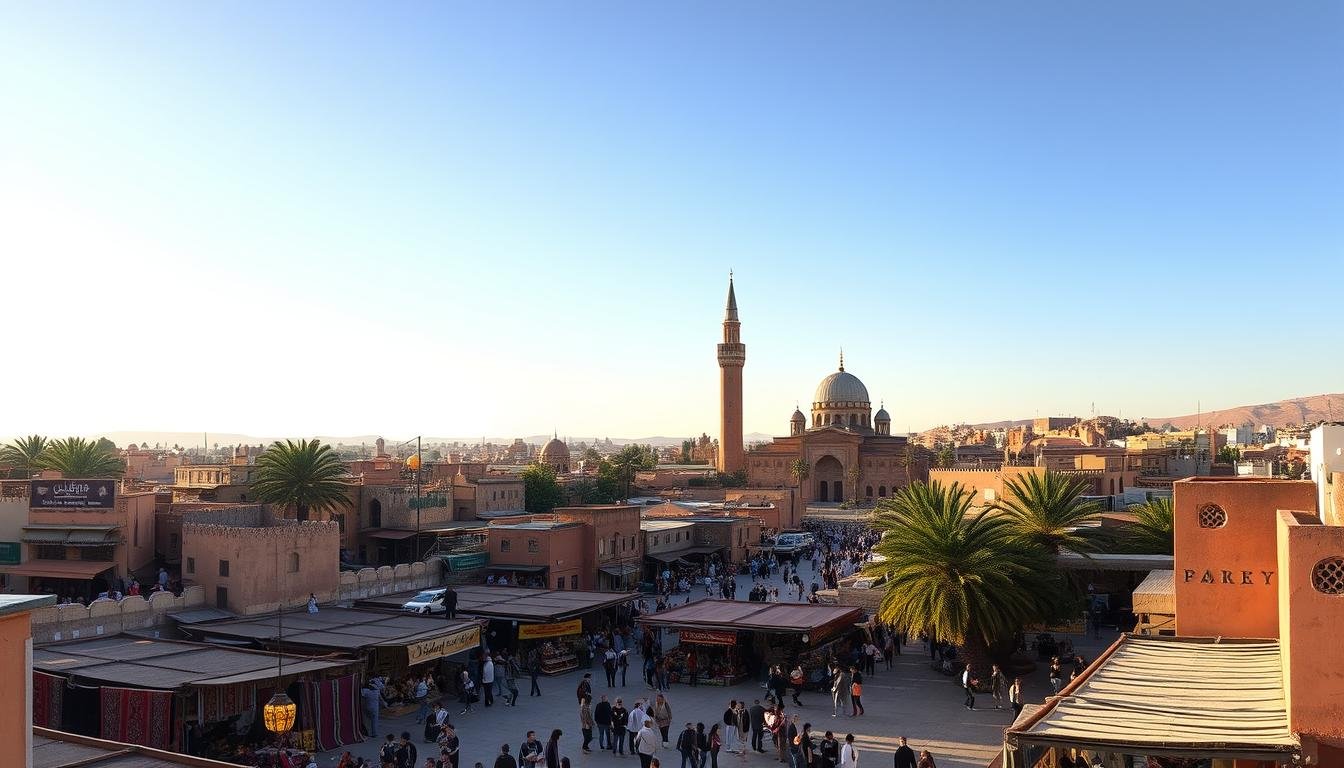
Traveling to Morocco can be a thrilling experience, with its rich culture, vibrant cities, and stunning landscapes. However, one of the primary concerns for potential visitors is Morocco travel safety.
Understanding the safety situation in Morocco is crucial for a smooth and enjoyable trip. This guide aims to provide travelers with the necessary information to navigate the country confidently.
Key Takeaways
- Morocco is generally considered safe for tourists.
- Petty theft and scams are common in tourist areas.
- Respecting local customs and traditions is essential.
- Staying informed about local conditions can enhance safety.
- Basic precautions can significantly reduce risks.
Is Morocco Safe? The Current Situation
Morocco, known for its rich culture, also raises safety concerns among travelers. The country’s safety situation is a complex issue that depends on various factors, including the region visited and the traveler’s behavior.
Safety Overview for American Travelers
Safety Overview for American Travelers
American travelers often inquire about the safety of visiting Morocco. Generally, Morocco is considered a relatively safe country for tourists, including Americans. However, as with any travel destination, it’s essential to be aware of local conditions and take necessary precautions.
Comparison with Other North African Countries
How Morocco Compares to Other North African Countries
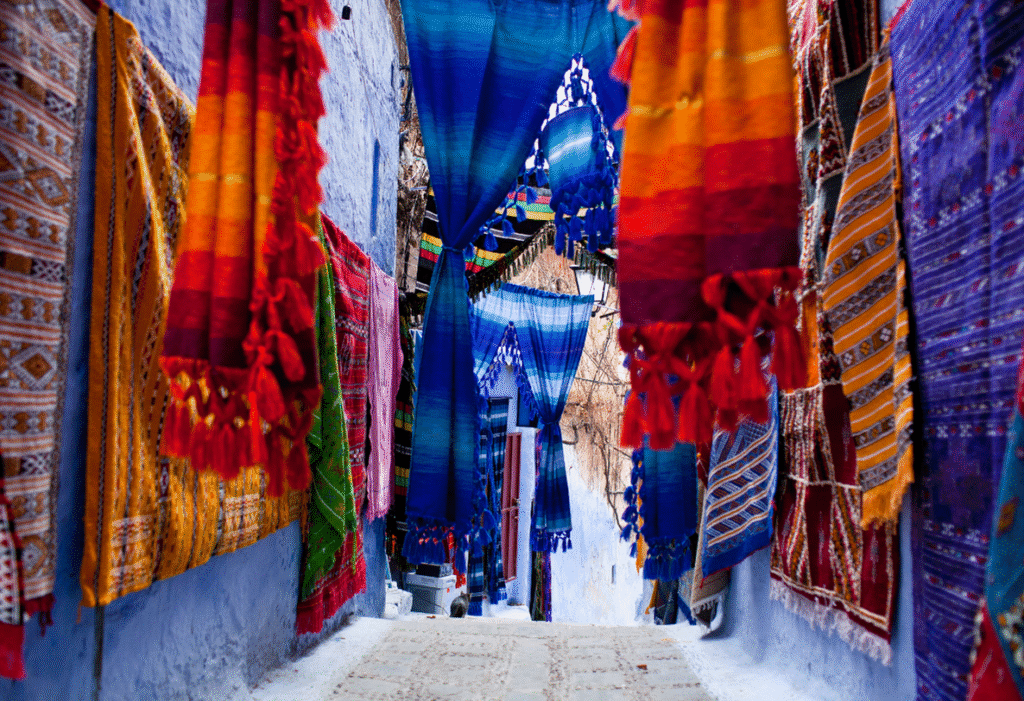
Morocco is often regarded as one of the safer countries in North Africa. Compared to its neighbors, Morocco has a more stable political environment and lower crime rates. The following table provides a comparative overview:
| Country | Crime Rate | Political Stability |
|---|---|---|
| Morocco | Low | High |
| Algeria | Medium | Medium |
| Tunisia | Medium | Medium |
| Libya | High | Low |
This comparison highlights Morocco’s relative safety, making it an attractive destination for travelers seeking a secure and enriching experience in North Africa.
Common Safety Concerns for Travelers in Morocco
When traveling to Morocco, it’s essential to be aware of the common safety concerns that may impact your trip. Morocco is generally considered safe for tourists, but like many countries, it’s not immune to certain issues.
Petty Theft and Scams
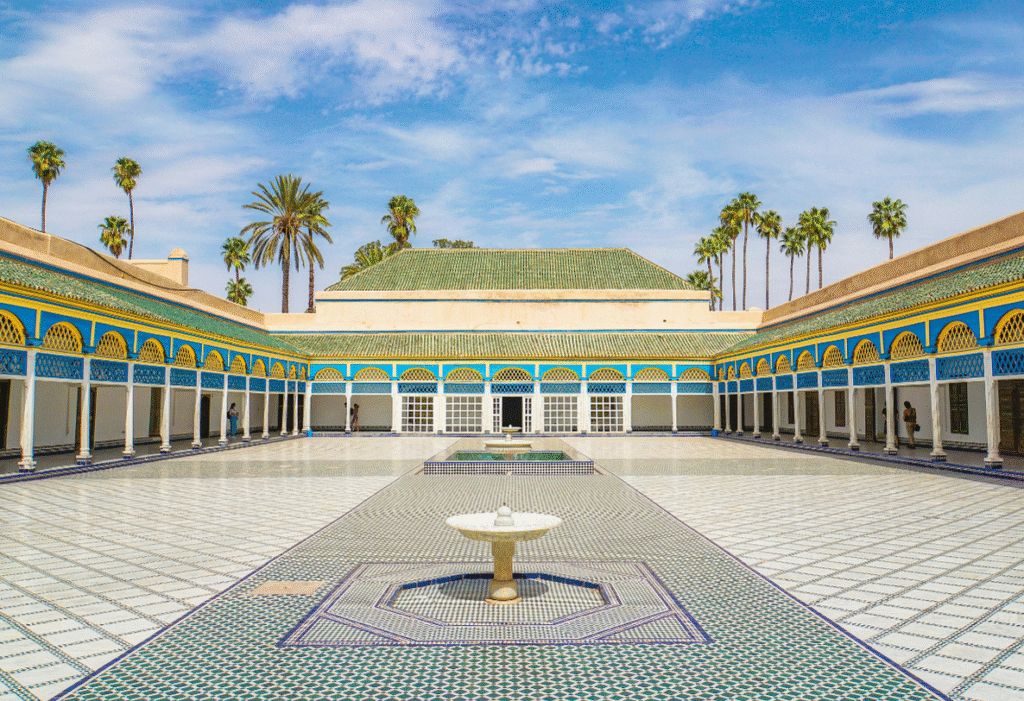
Petty theft is a common issue in tourist areas. Travelers should be cautious with their belongings, especially in crowded places like markets and train stations. Scams can also occur, often involving overly friendly locals who may demand money or try to sell you something at an inflated price.
Harassment and Unwanted Attention
Harassment can be a problem, particularly for solo female travelers. It’s advisable to dress modestly and be prepared for occasional unwanted attention. Ignoring the perpetrator is often the best response.
Tourist-Targeted Crimes
Crimes targeting tourists, such as pickpocketing and bag snatching, are on the rise in popular areas. Keeping valuables secure and being mindful of your surroundings can significantly reduce the risk.
By being informed and taking necessary precautions, travelers can minimize their exposure to these safety concerns and enjoy a safe and fulfilling trip to Morocco.
Is Morocco Safe for Solo Travelers?
As a solo traveler, navigating Morocco’s bustling streets and markets can be intimidating, but with the right precautions, it can be a safe and enjoyable journey. Morocco has become a popular destination for solo travelers, drawn by its rich history, vibrant culture, and stunning landscapes. However, safety concerns are always at the forefront of any traveler’s mind.
Tips for Solo Male Travelers
Solo male travelers in Morocco generally have a smooth experience, but it’s still important to exercise caution. Be aware of your surroundings, especially in crowded areas like Marrakech’s Jemaa el-Fnaa. Engaging with locals and other travelers can enhance your experience, but be cautious of scams or overly friendly strangers with ulterior motives.
Some key tips for solo male travelers include dressing modestly to respect local customs and avoiding displaying signs of wealth.
Tips for Solo Female Travelers
Solo female travelers may face additional challenges, including unwanted attention or harassment. Dressing conservatively is crucial, as is being confident and assertive when interacting with locals. It’s also advisable to avoid traveling alone at night and to stay in well-lit, populated areas.
“As a solo female traveler in Morocco, I found that wearing a scarf and dressing modestly greatly reduced unwanted attention, allowing me to enjoy the country’s beauty without harassment.”
Connecting with other travelers or joining group tours can also be a great way to enhance safety and meet new people.
Regional Safety Guide: Where to Go in Morocco
When planning a trip to Morocco, understanding the safety of different regions is crucial for a smooth journey. Morocco’s diverse geography and culture offer a wide range of experiences, but safety can vary from one region to another.
Major Cities: Marrakech, Casablanca, and Fez
Major cities like Marrakech, Casablanca, and Fez are generally considered safe for tourists, with a strong police presence and frequent patrols. These cities offer a wealth of cultural experiences, from historic medinas to vibrant markets. However, as with any major city, it’s wise to remain vigilant, especially in crowded areas, to avoid petty theft and scams.
Rural Areas and the Atlas Mountains
Rural areas and the Atlas Mountains offer breathtaking landscapes and traditional Berber communities. While generally safe, these areas can be less touristy, and infrastructure might be limited. Travelers should be prepared for basic conditions and consider guided tours to ensure safety and gain local insights.
Coastal Regions and Beach Towns
Coastal regions and beach towns like Essaouira and Taghazout are popular for their relaxed atmosphere and beautiful beaches. These areas are generally safe and welcoming to tourists. However, it’s always a good idea to check local advice and be mindful of your belongings, especially in more crowded beach areas.
Safety for Special Groups of Travelers
Understanding the safety landscape for various traveler demographics is crucial for a smooth Moroccan adventure. Morocco, known for its vibrant culture and diverse landscapes, attracts a wide range of visitors, including LGBTQ+ individuals, families, and senior travelers. Each of these groups has unique safety considerations that are important to address.
Is Morocco Safe for LGBTQ+ Travelers?
Morocco’s stance on LGBTQ+ rights is conservative, with same-sex activities being illegal. LGBTQ+ travelers should exercise caution and discretion. While there are vibrant LGBTQ+ communities in major cities like Marrakech, public displays of affection are generally frowned upon. It’s advisable for LGBTQ+ travelers to research local attitudes and laws before visiting.
Family Travel Safety in Morocco
Morocco is generally welcoming to families. However, parents should be mindful of their children’s safety, especially in crowded areas and tourist hotspots where pickpocketing is common. Ensuring children are aware of local customs and dress codes can also help avoid unwanted attention.
Senior Travelers in Morocco
Senior travelers can enjoy Morocco’s rich cultural heritage with some planning. It’s recommended to stay hydrated, especially when exploring the bustling souks or traveling through the desert. Considering guided tours can also enhance the experience and provide additional safety.
| Traveler Type | Safety Considerations | Tips |
|---|---|---|
| LGBTQ+ | Conservative laws and attitudes | Be discreet, research local laws |
| Families | Crowd safety, local customs | Monitor children, respect local dress codes |
| Seniors | Health, hydration | Stay hydrated, consider guided tours |
Health and Medical Safety in Morocco
When traveling to Morocco, understanding the local health and medical safety landscape is crucial for a smooth trip. Morocco, like many other countries, has its unique set of health concerns and medical facilities that travelers should be aware of to ensure their safety and well-being.
Common Health Concerns
Travelers to Morocco may face various health concerns, including heat-related illnesses, gastrointestinal issues due to contaminated food or water, and insect-borne diseases. Precautions such as staying hydrated, consuming bottled or filtered water, and using insect repellent can significantly reduce the risk of these health issues.
Food and Water Safety
Ensuring food and water safety is vital when traveling in Morocco. It’s recommended to eat at reputable restaurants and avoid consuming tap water. Street food can be tempting, but it’s crucial to choose vendors that are popular and have a high turnover of food to minimize the risk of foodborne illnesses.
Medical Facilities and Healthcare Access
Morocco’s medical facilities vary in quality, with major cities like Marrakech and Casablanca having modern hospitals that can provide adequate care. However, rural areas may have limited medical facilities. Travelers should consider having comprehensive travel insurance that covers medical evacuations if needed.
| Health Concern | Precaution | Medical Care Availability |
|---|---|---|
| Heat-related illnesses | Stay hydrated, avoid peak sun hours | Available in major cities |
| Gastrointestinal issues | Consume bottled water, eat at reputable restaurants | Available in major cities and some rural areas |
| Insect-borne diseases | Use insect repellent, wear protective clothing | Available in major cities |
Transportation Safety in Morocco
Morocco’s transportation network is a complex web of roads, public transport, and taxis that require careful navigation for safe travel. Understanding the safety aspects of each mode of transport can significantly enhance your travel experience.
Road Safety and Driving Conditions
Driving in Morocco can be challenging due to chaotic traffic conditions, aggressive driving, and varying road quality. It’s essential to be cautious and defensive when driving. Renting a car from reputable companies and ensuring the vehicle is in good condition can mitigate some risks. Additionally, be aware of local traffic laws and regulations.
Public Transportation Safety
Public transportation in Morocco, including buses and trains, is generally considered safe. Supratours trains, for example, are a popular and reliable option for traveling between major cities. However, as with any crowded public place, be mindful of your belongings to avoid petty theft.
Taxi and Ride-Share Safety
Using taxis and ride-share services in Morocco requires some caution. Opt for licensed taxis or reputable ride-sharing apps, and always agree on the fare before starting your journey. Be aware that some drivers might not follow the most direct routes or could overcharge tourists.
By being informed and taking necessary precautions, travelers can navigate Morocco’s transportation network safely and efficiently.
Natural Hazards and Environmental Concerns
Understanding the natural hazards and environmental concerns in Morocco is crucial for a safe and enjoyable trip. Morocco’s diverse geography, from the Atlas Mountains to the Sahara Desert, presents various risks that travelers should be aware of.
Weather-Related Risks
Morocco experiences a range of weather conditions, from hot desert temperatures to cold mountainous climates. Heatwaves are common in the desert regions, while the Atlas Mountains can see significant snowfall in winter. Travelers should be prepared for these conditions by packing appropriate clothing and staying informed about weather forecasts.
Geographical Hazards
The diverse geography of Morocco also poses several geographical hazards. The Atlas Mountains are prone to landslides and rockfalls, especially after rainfall. In the desert regions, sandstorms can reduce visibility and make navigation challenging. Understanding these risks can help travelers plan their itinerary more safely.
| Region | Natural Hazards | Precautions |
|---|---|---|
| Atlas Mountains | Landslides, Rockfalls, Snowfall | Check weather forecasts, Avoid traveling during heavy rain or snow |
| Sahara Desert | Heatwaves, Sandstorms | Stay hydrated, Avoid traveling during peak heat, Monitor weather forecasts |
| Coastal Regions | Floods, Storm surges | Check weather forecasts, Be aware of flood warnings |
Political Stability and Terrorism Risk
Understanding the political stability of Morocco is crucial for travelers planning to visit the country. Morocco has maintained a relatively stable political environment compared to its North African neighbors.
Current Political Climate
The current political climate in Morocco is characterized by ongoing reforms and a commitment to democratic processes. The government has implemented various initiatives to strengthen the economy and improve living standards, which has contributed to the country’s stability. However, like many countries, Morocco faces challenges that could impact its political landscape.
Terrorism Concerns and Precautions
While Morocco has experienced terrorist attacks in the past, the government has taken significant measures to enhance security. Travelers should remain vigilant and informed about local conditions. It’s advisable to stay updated with the latest travel advisories and be aware of one’s surroundings, especially in crowded areas.
Cultural Awareness for Safe Travel
Understanding cultural nuances is key to a safe and enjoyable trip to Morocco. Morocco is a country with a rich cultural heritage, influenced by its history as a crossroads of trade and cultural exchange.
Respecting Local Customs and Traditions
Moroccans place a high value on hospitality and respect for guests. Visitors should be prepared to respect local customs, especially when visiting homes or rural areas. This includes dressing modestly and being mindful of dining etiquette.
Appropriate Dress and Behavior
Dressing appropriately is crucial in Morocco, particularly for women. Loose, modest clothing that covers the shoulders and knees is recommended. Public displays of affection should be avoided, as they are considered impolite.
Religious Considerations
Morocco is an Islamic country, and visitors should be respectful of Islamic practices. During Ramadan, for example, eating, drinking, and smoking in public during daylight hours should be avoided.
Practical Safety Tips for Morocco
To ensure a safe and enjoyable trip to Morocco, it’s essential to be aware of the practical safety tips that can make all the difference. Morocco is generally a safe country for tourists, but being informed and prepared can help you navigate any potential issues.
Night Safety in Moroccan Cities
When exploring Moroccan cities at night, stick to well-lit areas and avoid walking alone in dimly lit or deserted streets. Major cities like Marrakech and Fez have a lively atmosphere at night, but it’s still important to be cautious. Use reputable taxi services or ride-sharing apps, and always check the driver’s ID before getting in.
Money and Valuables Protection
To protect your valuables, use a hotel safe or a money belt to secure your passport, cash, and credit cards. Be mindful of your belongings in crowded areas and tourist hotspots, where pickpocketing can occur. Avoid displaying signs of wealth, such as expensive jewelry or large amounts of cash.
Communication and Staying Connected
Staying connected is crucial for safety. Consider purchasing a local SIM card or portable Wi-Fi hotspot to stay in touch with family and friends back home. Keep important phone numbers handy, including your country’s embassy and local emergency services.
Conclusion: Is Morocco Safe for Your Next Adventure?
Morocco can be a safe destination for travelers who are well-prepared and informed. By understanding the local culture, being aware of potential safety concerns, and taking necessary precautions, visitors can have a rewarding and enjoyable experience.
The key to a safe trip to Morocco lies in being mindful of petty theft and scams, respecting local customs, and staying informed about the current situation. With its rich history, vibrant culture, and stunning landscapes, Morocco is a compelling destination for many travelers.
When planning your trip, consider the Morocco travel safety guide to ensure you’re well-prepared. By doing so, you’ll be able to navigate the country with confidence and make the most of your time exploring its many wonders.
Ultimately, the question of “is Morocco safe” depends on your individual circumstances and how well you prepare for your trip. With the right mindset and precautions, Morocco can be a fantastic and safe destination for your next adventure.
No comment