
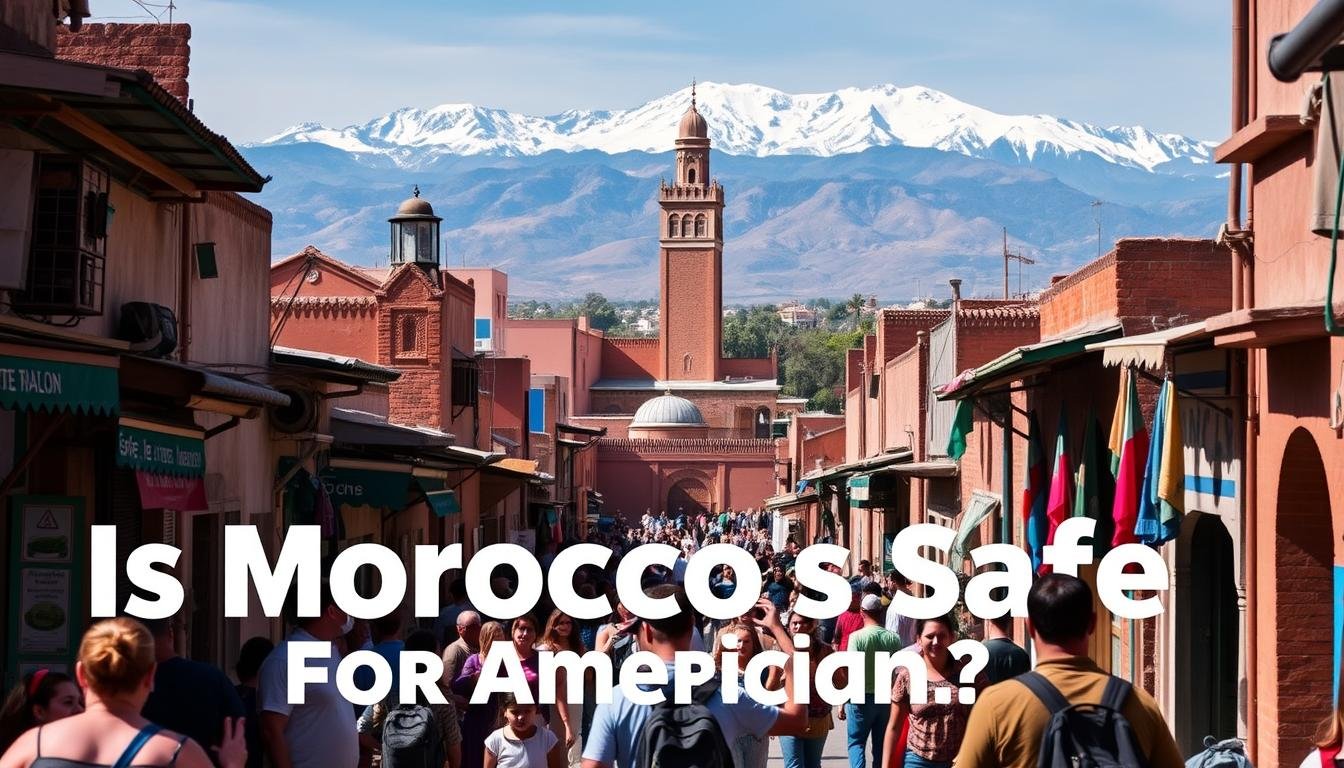
Traveling to Morocco can be a thrilling experience for American travelers, with its rich culture, vibrant cities, and stunning landscapes. However, safety concerns often top the list of worries for those planning a trip.
A travel safety guide can help alleviate these concerns by providing valuable insights and tips on navigating the country safely. In this article, we will explore the safety aspects of traveling to Morocco, including local customs, potential hazards, and essential precautions to take.
Key Takeaways
- Understanding local customs and laws to avoid unintended offenses
- Identifying potential safety hazards and taking necessary precautions
- Staying informed about local conditions and events
- Registering with the U.S. Department of State’s Smart Traveler Enrollment Program (STEP)
- Being aware of your surroundings and keeping valuables secure
Morocco Safety Overview for American Travelers
Understanding the safety landscape is crucial for American travelers planning a trip to Morocco. The country’s diverse regions and vibrant culture can make for an unforgettable experience, but being informed about the safety conditions can significantly enhance your journey.
Current Safety Status and Travel Advisories
As of the latest travel advisories, Morocco is considered a relatively safe country for tourists. However, like many popular tourist destinations, it’s not immune to petty crimes such as pickpocketing and scams. The U.S. Department of State issues travel advisories for Morocco, recommending that travelers exercise normal precautions. It’s also worth noting that some areas, particularly near the borders with Western Sahara and Algeria, are considered high-risk due to the potential for military activity and territorial disputes.
American travelers should stay updated with the latest advisories from the U.S. Department of State and register with the Smart Traveler Enrollment Program (STEP) to receive important safety and security updates about Morocco.
General Crime Statistics in Morocco
Morocco has a relatively low rate of violent crime compared to other countries. However, petty theft and scams targeting tourists are common, especially in crowded areas like markets and tourist hotspots. According to Morocco crime statistics, most crimes against tourists are non-violent, but it’s still crucial to be vigilant with personal belongings and cautious when dealing with overly friendly locals who might be attempting to scam you.
By being aware of your surroundings and keeping valuables secure, you can minimize the risk of becoming a victim of crime. Additionally, understanding local customs and laws can help avoid unintentionally offending locals or attracting unwanted attention.
Is Morocco Safe for Americans? Addressing Common Concerns
With its unique blend of Arabic, Mediterranean, and European influences, Morocco attracts many American tourists who wonder about their safety there. As travelers from the United States consider Morocco as their next destination, concerns about safety naturally arise. This section aims to address some of the most common concerns American travelers might have, providing insights into the political stability of Morocco and the risk of terrorism, as well as crimes that target tourists.
Political Stability and Terrorism Risk
Morocco is generally considered a politically stable country in the region. The government has implemented various measures to ensure security, particularly in tourist areas. However, like many countries, Morocco is not entirely immune to the risk of terrorism. There have been instances of terrorist activities in the past, but it’s worth noting that the Moroccan government has taken significant steps to counter terrorism, including cooperating with international partners.
Key Measures Against Terrorism:
- Enhanced security in major tourist areas and attractions
- Intelligence gathering and sharing with international partners
- Law enforcement training to handle potential threats
Despite these efforts, it’s essential for American travelers to remain vigilant, especially in crowded areas and during peak travel seasons. Staying informed about local conditions and following travel advisories issued by the U.S. Department of State can help minimize risks.
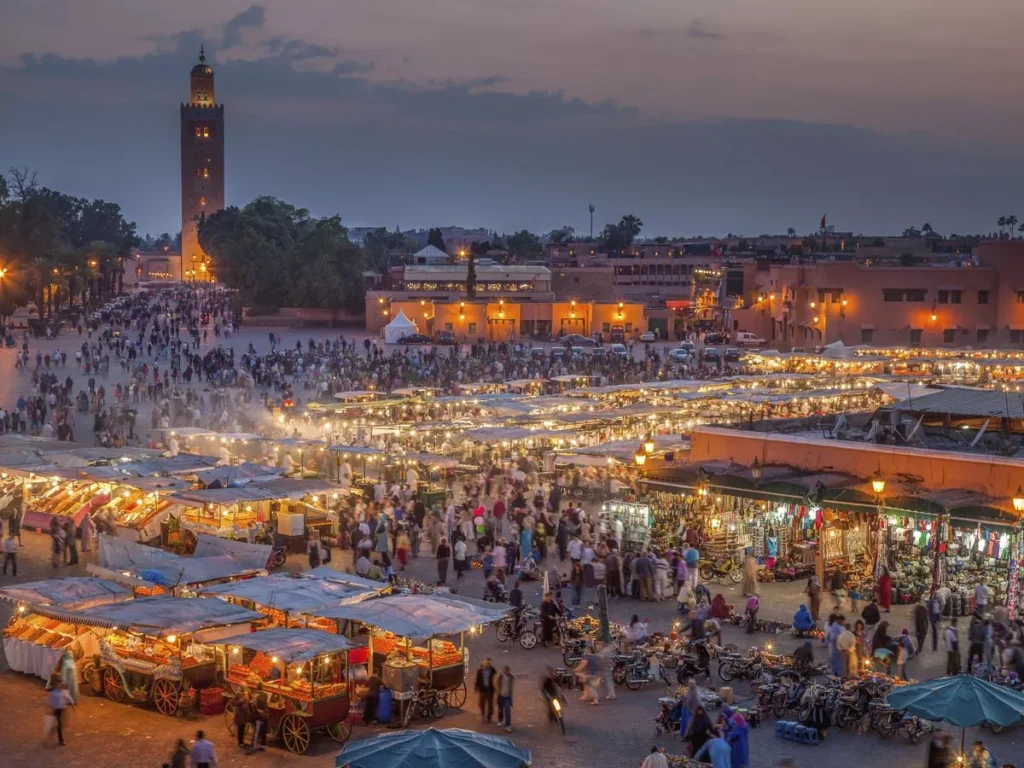
Crime Targeting Tourists
Petty crime, such as pickpocketing and scams, can be a concern for tourists in Morocco, as in many other tourist destinations. Tourists are often targeted in crowded areas, markets, and on public transportation. To minimize the risk of becoming a victim, American travelers should be cautious with their belongings, avoid displaying signs of wealth, and be wary of overly friendly locals who might be attempting to scam them.
“Be aware of your surroundings, keep your valuables secure, and don’t engage with suspicious individuals.” – Travel Safety Expert
Some common scams include:
- Overpriced goods and services
- Fake guides or tour operators
- Distraction theft
By being aware of these potential scams and taking necessary precautions, American travelers can significantly reduce their risk of encountering problems in Morocco.
Regional Safety Guide: Where to Go and Where to Be Cautious
Understanding the safety landscape across different regions of Morocco is crucial for a smooth and enjoyable trip. Morocco is a vast and diverse country, with varying safety conditions across its major cities, rural areas, and border regions.
Major Cities: Marrakech, Casablanca, and Rabat
Major cities in Morocco are generally considered safe for tourists, with Marrakech being a popular destination known for its vibrant markets and rich cultural heritage. Casablanca and Rabat also offer a blend of modern and traditional experiences. However, as with any major city, it’s essential to remain vigilant, especially in crowded areas and tourist hotspots.
- Be mindful of pickpocketing and petty theft in crowded markets.
- Avoid displaying signs of wealth (e.g., expensive jewelry or watches).
- Use reputable taxi services or ride-sharing apps.
Rural Areas and Remote Destinations
While rural areas and remote destinations in Morocco can offer breathtaking landscapes and authentic cultural experiences, they may also present unique safety challenges. Travelers should be prepared for limited infrastructure and potential language barriers.
- Research your destination thoroughly before heading out.
- Consider hiring a local guide for remote areas.
- Ensure you have a reliable means of communication.
Border Regions and Disputed Territories
Certain border regions and disputed territories in Morocco may pose higher safety risks due to political tensions or military presence. Travelers should exercise caution and stay informed about local conditions.
- Avoid traveling to areas near the Western Sahara border.
- Stay updated with local news and travel advisories.
- Follow instructions from local authorities.
By being aware of the regional safety conditions in Morocco, American travelers can better plan their itinerary and enjoy a safer, more fulfilling experience in this fascinating country.
Safety Considerations for Different American Travelers
Different American travelers face distinct safety challenges in Morocco, from solo adventurers to LGBTQ+ visitors. Understanding these specific concerns can help ensure a safe and enjoyable trip.
Solo Travelers and Digital Nomads
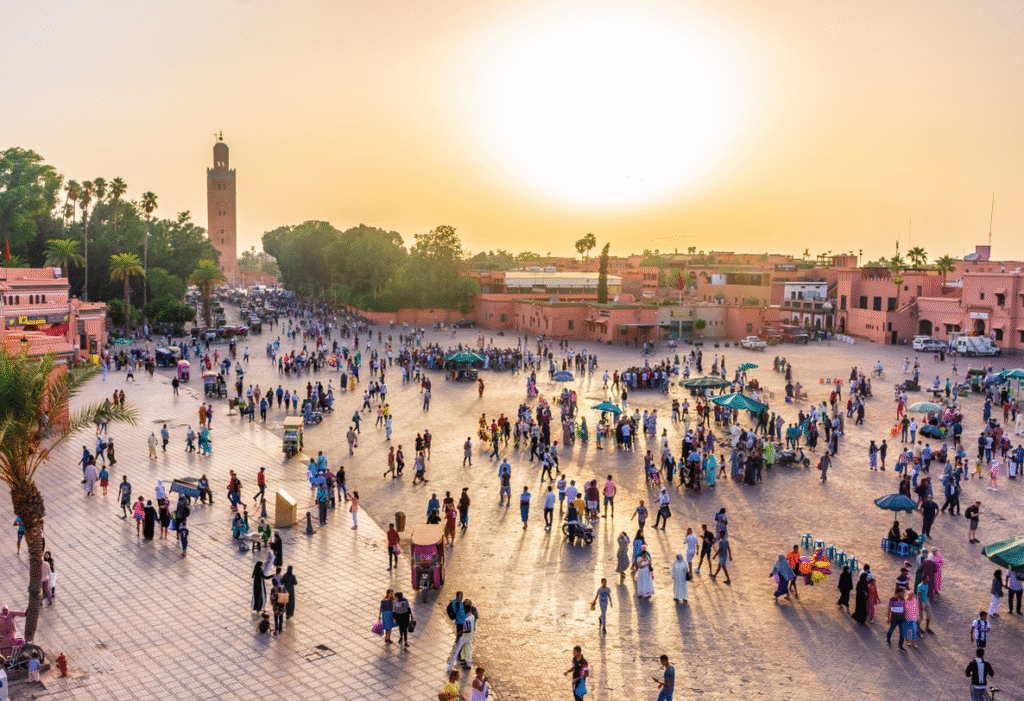
Solo travelers and digital nomads often enjoy the freedom of exploring Morocco at their own pace. However, they should be cautious of petty theft and scams, particularly in crowded areas like Marrakech’s Jemaa el-Fnaa. Using reputable transportation services and keeping valuables secure can mitigate these risks. Staying connected with family and friends back home through regular updates can also enhance safety.
Female Travelers in Morocco
Female travelers in Morocco may encounter unwanted attention, including catcalls and stares. Dressing modestly can help minimize these interactions. It’s also advisable to avoid traveling alone at night and to use reputable taxi services. Joining group tours or connecting with other female travelers can provide additional support and safety.
LGBTQ+ Travelers and Safety Concerns
LGBTQ+ travelers should be aware that same-sex relationships are not widely accepted in Morocco. Public displays of affection are generally frowned upon and can attract unwanted attention. Discretion is advised to avoid any potential legal or social repercussions. Researching LGBTQ+-friendly areas and communities can help in navigating these challenges.
Cultural Awareness for American Visitors
Understanding the cultural nuances of Morocco is crucial for American travelers to have a respectful and enriching experience. Morocco’s rich cultural heritage, influenced by Arab, Berber, and French traditions, can sometimes be puzzling for visitors. Being aware of local customs and practices can significantly enhance one’s travel experience.
Dress Code and Respectful Attire
Morocco is a conservative country, and dressing modestly is essential, especially when visiting mosques or rural areas. Loose-fitting clothing that covers the shoulders and knees is recommended. Women should consider carrying a scarf to cover their heads when entering mosques or religious sites. Dressing respectfully not only reflects positively on the visitor but also helps in blending in with the local culture.
Religious Customs and Ramadan
Morocco is an Islamic country, and understanding religious customs is vital. During Ramadan, the holy month of fasting, visitors should be respectful of those fasting by avoiding eating, drinking, or smoking in public during daylight hours. It’s also a good idea to be mindful of prayer times and avoid scheduling activities during these times if possible.
“The beauty of Morocco lies not just in its landscapes, but in its people’s warmth and hospitality.”
Interacting with Locals: Dos and Don’ts
Interacting with locals can be a rewarding experience. Simple gestures like greeting with “As-salamu alaykum” (peace be upon you) can go a long way. It’s also important to respect personal space and avoid public displays of affection. When taking photos, always ask for permission, especially when it comes to photographing people. Being respectful and considerate can lead to meaningful interactions and a more authentic travel experience.
- Learn a few basic Arabic phrases to show respect.
- Be patient and open-minded when interacting with locals.
- Respect local customs and traditions.
Health and Medical Safety in Morocco
As an American traveler heading to Morocco, being informed about health and medical safety can significantly enhance your travel experience. Morocco, like many countries, has its unique health challenges and varying standards of medical care.
Recommended Vaccinations and Health Precautions
Before traveling to Morocco, it’s essential to consult with your healthcare provider about recommended vaccinations. Routine vaccinations should be up to date, and additional vaccinations such as Hepatitis A may be recommended due to the risk of contaminated food and water. Consulting a travel clinic can provide personalized advice based on your health status and travel plans.
Food and Water Safety
To minimize the risk of foodborne illnesses, it’s advisable to eat at reputable restaurants and street food stalls that are popular with locals and other travelers. Avoid consuming tap water and opt for bottled or filtered water instead. Being mindful of food handling practices can also reduce the risk of gastrointestinal issues.
| Food Safety Tips | Description |
|---|---|
| Eat at busy restaurants | High turnover indicates fresh food |
| Avoid undercooked meat | Risk of foodborne pathogens |
| Choose bottled water | Avoid tap water to prevent waterborne illnesses |
Healthcare Facilities and Medical Services
Morocco’s healthcare system varies significantly between urban and rural areas. Major cities like Marrakech and Casablanca have modern hospitals with competent medical staff, some of whom speak English. However, in rural areas, medical facilities may be more basic. Travel insurance that covers medical evacuations is highly recommended to ensure access to quality medical care if needed.
By being informed and prepared, American travelers can mitigate health and medical safety risks in Morocco, ensuring a more enjoyable and safe travel experience.
Transportation Safety Tips
When traveling in Morocco, choosing the right transportation can significantly impact your safety and travel experience. Morocco offers a variety of transportation options, each with its own set of considerations for safety.
Public Transportation Options
Morocco’s public transportation system is extensive, including buses and trains that connect major cities. The ONCF train service is particularly reliable for long-distance travel, offering comfort and relatively quick journeys. However, be mindful of your belongings, especially in crowded areas.
Driving in Morocco
If you plan to rent a car, be prepared for chaotic driving conditions, especially in cities like Marrakech. Always be cautious and aware of local driving customs. Ensure you have a valid driver’s license and appropriate insurance coverage.
Taxi and Ride-Sharing Safety
Taxis are a popular mode of transport, but it’s crucial to use licensed services. Agree on the fare before you start your journey, as not all taxis have meters. Ride-sharing services are becoming more common, but always check the driver’s ID before getting in.
By being informed and cautious, you can navigate Morocco’s transportation options safely and enjoy your travels.
Practical Safety Tips for American Tourists
When traveling to Morocco, American tourists should consider several practical safety tips to ensure a smooth and enjoyable journey. Being aware of your surroundings and taking necessary precautions can significantly enhance your safety.
Money and Valuables Protection
Protecting your money and valuables is crucial when traveling. Use a hotel safe or a money belt to secure your belongings. Be cautious when using ATMs, especially at night, and avoid displaying large amounts of cash.
- Keep your valuables secure and out of sight.
- Use ATMs located in secure areas.
- Avoid exchanging money with unofficial vendors.
Avoiding Common Scams and Tourist Traps
Morocco, like many tourist destinations, has its share of scams targeting visitors. Be aware of overly friendly locals who might be trying to distract you while an accomplice steals your belongings. Common scams include fake guides and overpriced goods.
Tips to avoid scams:
- Research common scams before your trip.
- Be wary of unsolicited help or overly friendly strangers.
- Verify the authenticity of goods and services.
Digital Security and Communications
In today’s digital age, ensuring your digital security is as important as protecting your physical belongings. Use secure internet connections and keep your devices protected with up-to-date antivirus software.
- Use VPNs when accessing public Wi-Fi.
- Keep your operating system and apps updated.
- Be cautious when sharing personal information online.
Legal Considerations and Emergency Resources
As an American traveler in Morocco, being aware of the legal considerations can significantly enhance your experience. Morocco has its own set of laws and regulations that visitors must adhere to.
Visa Requirements and Local Laws
Understanding visa requirements is the first step in planning your trip. Americans can stay in Morocco for up to 90 days without a visa for tourism purposes. However, it’s crucial to comply with local laws, including those related to cultural heritage and public behavior.
U.S. Embassy Services and Contact Information
In case of an emergency, the U.S. Embassy in Rabat and the U.S. Consulate General in Casablanca are available to provide assistance. Services include replacing a lost or stolen passport, providing information on local laws, and offering emergency financial assistance in certain circumstances.
Travel Insurance and Emergency Assistance
Having travel insurance that covers medical emergencies, trip cancellations, and evacuations is highly recommended. Some policies also offer 24/7 emergency assistance, which can be invaluable in navigating local healthcare systems or dealing with other emergencies.
By being informed about these legal considerations and having the right resources, American travelers can enjoy a safer and more enjoyable experience in Morocco.
Conclusion: Enjoying Morocco Safely as an American Traveler
As an American traveler, exploring Morocco can be a rewarding experience with the right preparation and knowledge. By understanding the local culture, being aware of your surroundings, and following practical safety tips, you can enjoy Morocco safely.
From the vibrant cities of Marrakech and Casablanca to the serene landscapes of the Atlas Mountains, Morocco offers a diverse range of experiences. By being informed about local customs, respecting cultural norms, and staying up-to-date with travel advisories, you can navigate Morocco with confidence.
To make the most of your trip, consider incorporating morocco travel tips into your itinerary, such as staying in well-reviewed accommodations, using reputable transportation services, and being mindful of your belongings. With these precautions in place, you can focus on enjoying the rich history, stunning architecture, and warm hospitality that Morocco has to offer, ultimately enjoying morocco safely.
No comment