


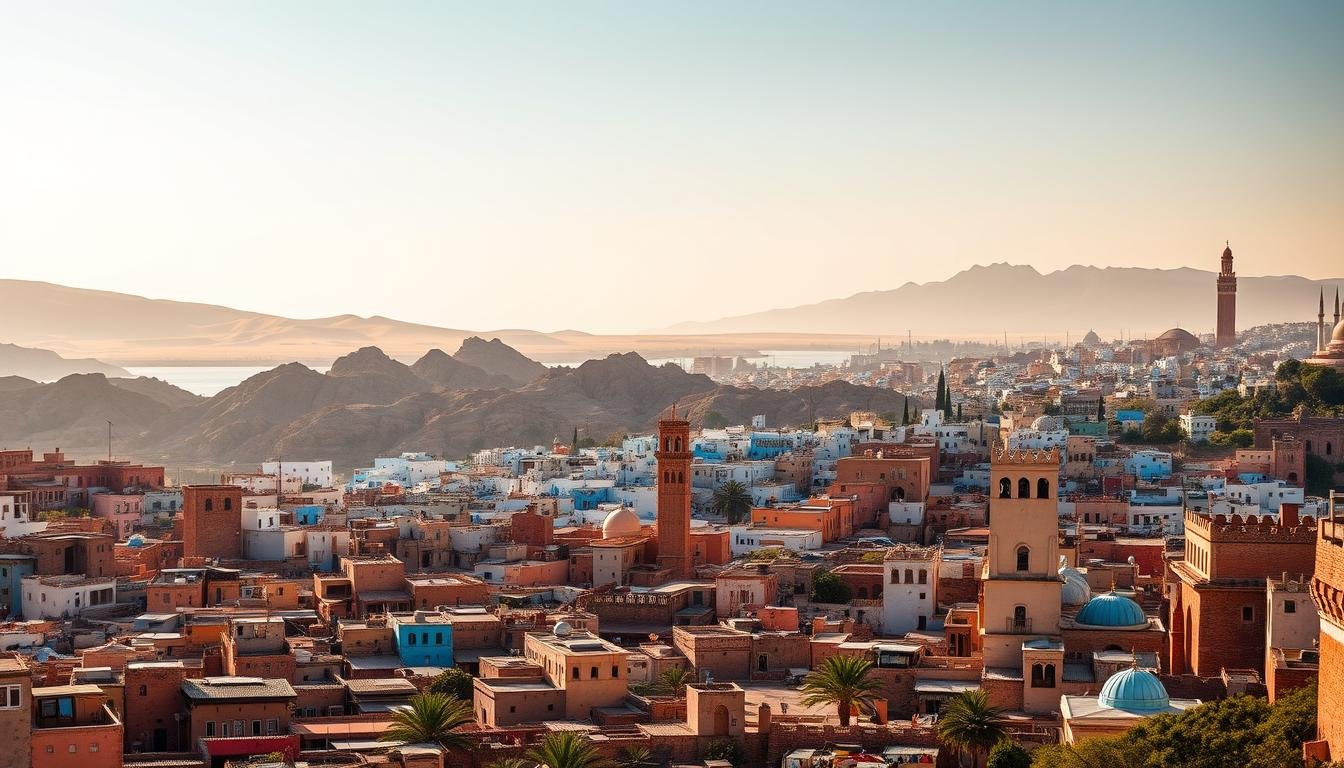
Morocco is a treasure trove of rich history, vibrant culture, and breathtaking landscapes, making it a must-visit destination for travelers. With its unique blend of Arab, Mediterranean, and African influences, this North African country has something to offer for everyone.
From the bustling streets of Marrakech to the picturesque charm of Tangier, Morocco’s cities are a reflection of its diverse heritage. This article will guide you through the top 10 cities to visit, helping you plan an unforgettable trip to this captivating country.
Key Takeaways
- Discover the top 10 cities to visit in Morocco
- Explore the rich history and culture of Marrakech and Tangier
- Plan your trip with our expert guide
- Experience the unique blend of Arab, Mediterranean, and African influences
- Uncover the hidden gems of Morocco’s diverse cities
Exploring the Magical Cities in Morocco
From the ancient medinas to modern metropolises, Morocco’s cities are a treasure trove of experiences. Each city has its own unique charm, shaped by the country’s rich history, cultural diversity, and geographical landscapes.
Morocco’s Rich Urban Heritage and Diversity
Morocco’s cities are a blend of traditional and modern architecture, reflecting the country’s evolution over centuries. The ancient medinas, with their narrow alleys and historic landmarks, stand alongside modern cities with their sleek skyscrapers and contemporary amenities. This blend creates a diverse urban landscape that is quintessentially Moroccan.
The urban heritage of Morocco is characterized by its vibrant souks, stunning mosques, and historic palaces. Cities like Marrakech, Fez, and Meknes are renowned for their well-preserved ancient architecture, while cities like Casablanca and Rabat showcase modern Morocco’s growth and development.
How to Navigate This Guide to Moroccan Cities
This guide is designed to take you on a journey through Morocco’s top cities, highlighting their unique attractions, cultural significance, and must-visit places. Whether you’re interested in history, architecture, cuisine, or simply exploring new destinations, this guide will help you navigate the best of Morocco’s urban experiences.
Each city is covered in detail, with insights into its history, main attractions, and practical information on how to get around and where to stay. Use this guide to plan your trip to Morocco and discover the magic of its cities.
1. Marrakech: The Vibrant Red City
Marrakech, known as the Red City, is a vibrant destination that captivates visitors with its rich cultural heritage and bustling markets. This ancient city is a treasure trove of experiences, from its historic landmarks to its modern amenities.
Jemaa el-Fnaa Square and the Ancient Medina
The heart of Marrakech is Jemaa el-Fnaa Square, a UNESCO World Heritage site that comes alive with snake charmers, street performers, and local vendors. The surrounding medina, with its narrow alleys and bustling souks, offers a glimpse into the city’s rich history and cultural traditions.
Bahia Palace, Majorelle Garden, and Yves Saint Laurent Museum
Marrakech is home to several architectural gems, including the Bahia Palace, a masterpiece of Islamic craftsmanship, and the Majorelle Garden, a beautiful botanical garden created by French artist Jacques Majorelle. The Yves Saint Laurent Museum showcases the life and work of the famous designer, who drew inspiration from Marrakech’s vibrant colors and patterns.
Best Riads and Culinary Experiences
Visitors to Marrakech can enjoy a range of accommodations, from luxurious riads to boutique hotels. The city’s culinary scene is equally diverse, with traditional Moroccan cuisine, modern fusion restaurants, and cooking classes available. Be sure to try some of the local specialties, such as tagine and couscous, for an authentic taste of Marrakech.
When to Visit and How to Get Around
The best time to visit Marrakech is during the spring or autumn, when the weather is mild and pleasant. The city is easily navigable on foot, and taxis are readily available. Visitors can also use the city’s public transportation system or rent a car to explore the surrounding areas.
2. Fez: Morocco’s Medieval Cultural Capital
As Morocco’s medieval cultural capital, Fez is a city that seamlessly blends history with vibrant culture. This ancient city is home to some of the country’s most significant historical landmarks, including the UNESCO-listed Fes el-Bali Medina.
Navigating the UNESCO-Listed Fes el-Bali Medina
The Fes el-Bali Medina is one of the oldest and largest medieval cities in the world. Navigating its narrow, winding streets can be a challenge, but it’s an adventure that allows visitors to discover hidden gems, from ancient mosques to traditional crafts shops.
Traditional Crafts, Tanneries, and Souks
Fez is renowned for its traditional crafts, including woodworking, pottery, and weaving. The city’s tanneries, located in the heart of the medina, are a testament to the traditional methods that have been passed down through generations.
| Craft | Description |
|---|---|
| Woodworking | Intricately carved wooden items, from furniture to decorative boxes. |
| Pottery | Handmade ceramics, often featuring traditional Moroccan designs. |
| Weaving | Beautiful textiles, including wool blankets and embroidered fabrics. |
Al-Qarawiyyin University and Religious Sites
Fez is home to Al-Qarawiyyin University, one of the oldest universities in the world. The city is also dotted with significant religious sites, showcasing its importance as a center of Islamic learning and culture.
Accommodation and Local Cuisine
Visitors to Fez can choose from a range of accommodations, from traditional riads to modern hotels. The local cuisine is a delicious blend of Arab, Mediterranean, and Berber flavors, with dishes like tagine and couscous being must-try experiences.
Fez offers a rich and immersive experience for visitors, with its historical landmarks, traditional crafts, and vibrant culture making it a must-visit destination in Morocco.
3. Casablanca: Morocco’s Cosmopolitan Business Hub
Casablanca, the economic heart of Morocco, offers a unique blend of traditional and contemporary attractions. As a bustling metropolis, it embodies the spirit of modern Morocco, making it a must-visit destination for travelers.
Hassan II Mosque and Atlantic Corniche
One of Casablanca’s most iconic landmarks is the Hassan II Mosque, a masterpiece of Islamic architecture that boasts intricate stone carvings and a stunning ocean view. Visitors can take a guided tour to explore its grandeur. Along the Atlantic Corniche, a scenic waterfront area, tourists can enjoy the beautiful beaches, seafood restaurants, and vibrant nightlife.
Art Deco Architecture and Modern Districts
Casablanca is also known for its Art Deco architecture, a legacy of the French colonial era, which can be seen in the city’s buildings and public spaces. The modern districts, such as the Maarif district, offer a blend of high-end shopping, dining, and entertainment options.
Shopping, Dining, and Nightlife Options
For shopping enthusiasts, Casablanca has a range of options, from traditional souks to modern malls like the Marrakech Plaza. The city’s dining scene is equally diverse, with a mix of traditional Moroccan cuisine and international flavors. At night, Casablanca transforms into a vibrant party scene, with numerous bars, clubs, and lounges to choose from.
- Explore the historic Medina
- Visit the Hassan II Mosque
- Enjoy the city’s modern districts
4. Chefchaouen: The Enchanting Blue Pearl
Tucked away in the Rif Mountains, Chefchaouen is a serene escape from the bustling cities of Morocco. This charming town is renowned for its blue-washed buildings, which have earned it the nickname “Blue Pearl.” Visitors are drawn to Chefchaouen’s relaxed atmosphere, stunning natural beauty, and rich cultural heritage.
Photographing the Famous Blue-Washed Streets
The blue-painted houses and streets of Chefchaouen create a photographer’s paradise. Capture the beauty of this town by wandering through its narrow alleys and snapping photos of the vibrant blue buildings. The town’s relaxed atmosphere makes it easy to take stunning photographs without the crowds often found in more popular destinations.
Hiking Trails in the Surrounding Rif Mountains
For outdoor enthusiasts, Chefchaouen offers numerous hiking trails with breathtaking views of the surrounding Rif Mountains. Trails range from easy strolls to more challenging hikes, catering to all levels of experience. Exploring these trails provides an opportunity to immerse yourself in the natural beauty of the region and enjoy the local flora and fauna.
Local Handicrafts and Authentic Experiences
Chefchaouen is also known for its local handicrafts, including traditional weaving and pottery. Visitors can engage in authentic experiences by visiting local workshops and interacting with artisans. This not only supports the local community but also provides a deeper understanding of Chefchaouen’s cultural heritage.
Whether you’re looking to relax in a picturesque setting, explore the great outdoors, or immerse yourself in local culture, Chefchaouen has something to offer. Its unique blend of natural beauty and cultural richness makes it a must-visit destination in Morocco.
5. Tangier: Historic Gateway Between Europe and Africa
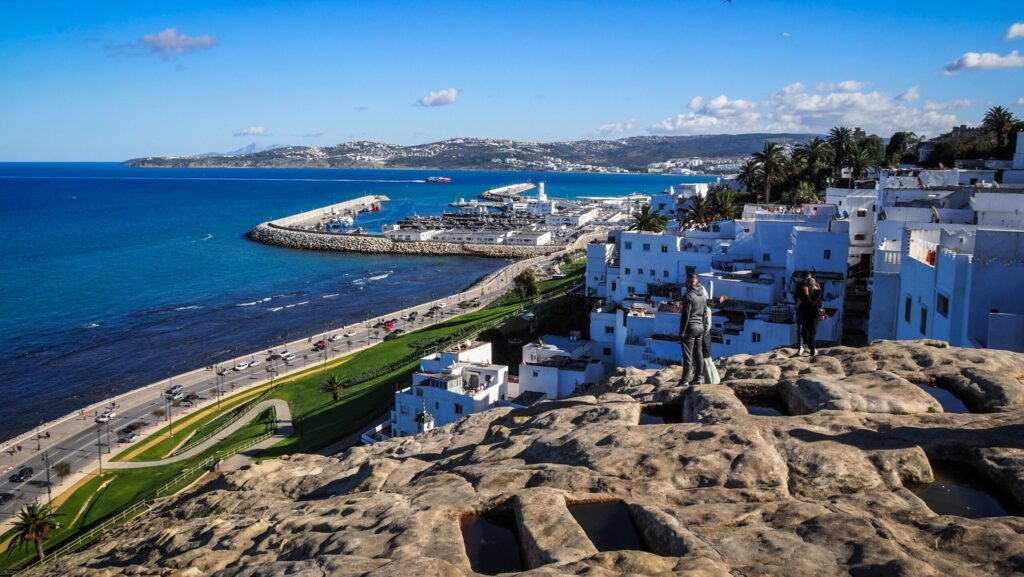
Tangier, a city where Europe and Africa meet, offers a unique blend of cultures and history. This fascinating city has been a significant hub between two continents for centuries, making it a captivating destination for travelers.
International Zone History and Cultural Significance
Tangier’s history as an international zone has contributed to its rich cultural heritage. From 1923 to 1956, the city was under the administration of several European powers, making it a melting pot of cultures. This unique period in Tangier’s history is still visible in its architecture, cuisine, and cultural practices. The city’s international past has also made it a hub for artists, writers, and intellectuals.
Coastal Attractions and Mediterranean Beaches
Tangier’s stunning coastline offers breathtaking views of the Mediterranean Sea. The city’s beaches, such as Plage de la Corniche and Plage des Grottes, are perfect for relaxation and water activities. Visitors can also explore the Cape Spartel, the northwesternmost point of Africa, offering panoramic views of the Atlantic Ocean and the Mediterranean Sea.
Literary Heritage and Artistic Connections
Tangier has a rich literary heritage, having inspired many famous writers, including Paul Bowles and William S. Burroughs. The city’s American Legation museum is a testament to the literary and cultural connections between the United States and Tangier. The city’s vibrant art scene is also reflected in its numerous galleries and museums, showcasing local and international art.
6. Essaouira: Laid-back Coastal Charm
With its fortified medina and stunning beaches, Essaouira embodies the essence of a relaxed coastal getaway. This charming town on Morocco’s Atlantic coast is a haven for those seeking tranquility and natural beauty.
Exploring the Fortified Medina and Portuguese Ramparts
Essaouira’s medina, a UNESCO World Heritage Site, is surrounded by impressive fortifications, including the Portuguese-built ramparts. Visitors can walk along the ramparts, enjoying the sea views and the historic architecture. The medina itself is filled with narrow streets, charming shops, and local cafes.
Windsurfing, Kitesurfing, and Beach Activities
Essaouira is renowned for its windy conditions, making it a paradise for windsurfers and kitesurfers. The town’s beaches, such as Taghazout and Sidi Kaouki, offer ideal conditions for these sports. Beyond water sports, visitors can enjoy camel rides on the beach, relax on the sand, or explore the nearby islands.
“Essaouira’s beaches are perfect for both relaxation and adventure.”
Gnaoua Music Festival and Thriving Art Scene
Essaouira is not just about its natural beauty; it also boasts a vibrant cultural scene. The annual Gnaoua Music Festival attracts musicians and visitors from around the world, celebrating the rich musical heritage of the Gnaoua people. The town is also home to numerous art galleries, studios, and local crafts, showcasing the creativity of its residents.
As one local artist noted,
“Essaouira’s unique light and atmosphere inspire creativity in everyone who visits.”
7. Rabat: The Elegant Capital of Morocco
With its rich heritage, Rabat stands out as a must-visit destination in Morocco. As the country’s capital, it offers a unique blend of historical significance and modern charm.
Royal Palace, Hassan Tower, and Mausoleum of Mohammed V
The Royal Palace, or Dar al-Makhzen, is a prominent landmark and the official residence of the King of Morocco. While the palace itself is not open to the public, its grandeur can be appreciated from the outside. Nearby, the Hassan Tower, a minaret that was intended to be the largest in the world, stands as a symbol of Rabat’s rich history. The Mausoleum of Mohammed V is another significant site, housing the tombs of the Moroccan king and his two sons.
Kasbah of the Udayas and Chellah Necropolis
The Kasbah of the Udayas is a historic fortification that offers breathtaking views of the Atlantic Ocean. Its narrow streets and whitewashed houses create a picturesque setting. The Chellah Necropolis, a Roman ruin turned Islamic necropolis, is a fascinating archaeological site that showcases the layers of Rabat’s history.
Museums, Galleries, and Contemporary Life
Rabat is also home to a variety of museums and galleries, such as the National Archaeological Museum and the Mohammed VI Museum of Modern and Contemporary Art. These institutions provide insight into Morocco’s cultural and artistic heritage. The city’s contemporary life is characterized by its vibrant souks, cafes, and the blend of traditional and modern lifestyles.
8. Meknes: The Underrated Imperial City
With its rich history and cultural heritage, Meknes stands out as an underrated imperial city in Morocco. This former capital, founded in the 11th century by the Almoravid dynasty, boasts an impressive array of historical landmarks that reflect its significance as a center of power and culture.
Bab Mansour Gate and Impressive City Walls
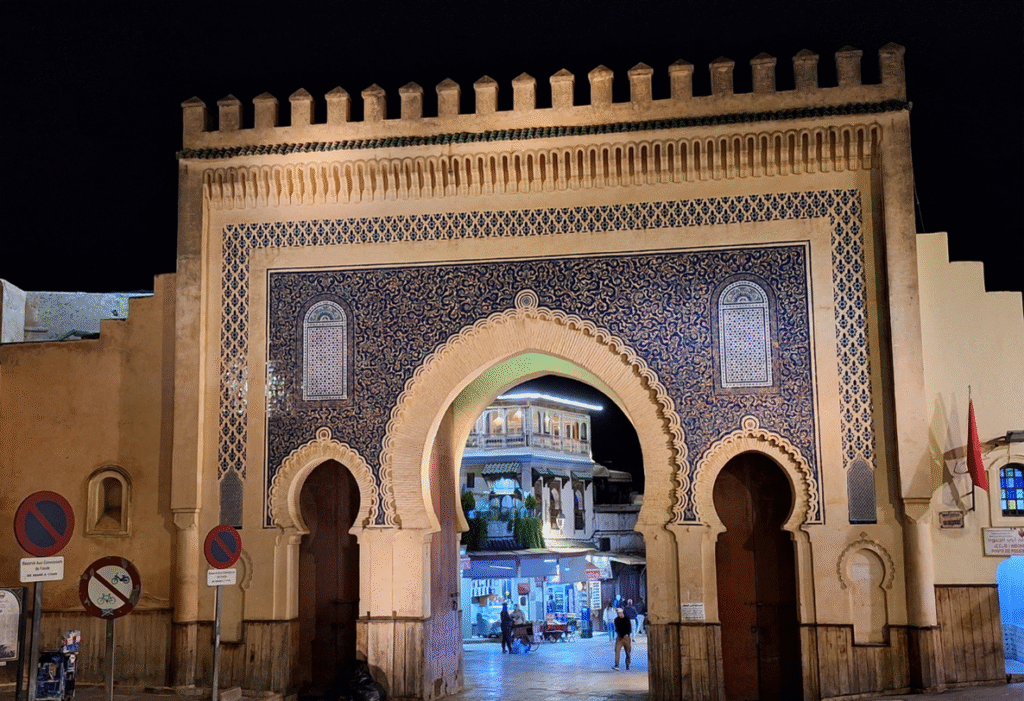
The Bab Mansour Gate is one of Meknes’ most iconic landmarks, exemplifying the city’s rich architectural heritage. This grand entrance, built in the early 18th century, is adorned with intricate tile work and is a testament to the city’s historical importance. The impressive city walls that surround Meknes are another notable feature, offering a glimpse into the city’s defensive past.
Heri es-Souani (Royal Stables) and Agdal Basin
Meknes is also home to the Heri es-Souani, a vast complex of royal stables that once housed the Sultan’s horses. The Agdal Basin, a large reservoir, is another significant historical site, showcasing the city’s sophisticated water management systems.
Day Trips to Roman Ruins of Volubilis
A day trip from Meknes to the Roman Ruins of Volubilis is highly recommended. This UNESCO World Heritage site is a treasure trove of Roman history, featuring well-preserved mosaics, temples, and other archaeological wonders.
9. Agadir: Sun-Soaked Resort Destination
Agadir, a gem on Morocco’s coast, beckons travelers with its sunny climate and modern amenities. This vibrant city has transformed into a premier resort destination, offering a mix of relaxation, adventure, and cultural experiences.
Modern Rebirth and Beachfront Development
Agadir’s rebirth after the 1960 earthquake has resulted in a city that is both modern and welcoming. The city’s beachfront promenade is lined with cafes, restaurants, and hotels, making it an ideal spot for leisure activities. Visitors can enjoy water sports, take leisurely strolls, or simply relax on the sandy beaches.
Taghazout Surfing and Coastal Activities
Just north of Agadir, the village of Taghazout is renowned for its surfing opportunities. The consistent waves and warm waters make it a favorite among surfers of all levels. Beyond surfing, the coastal area offers other activities such as snorkeling, diving, and boat trips to explore the marine life and nearby islands.
Souk El Had Market and Regional Excursions
For a taste of local culture, visitors can explore the Souk El Had Market, one of the largest markets in Morocco. The market is a treasure trove of handicrafts, fresh produce, and local delicacies. Beyond Agadir, regional excursions to the Atlas Mountains and the Souss-Massa National Park offer opportunities to experience Morocco’s diverse landscapes and wildlife.
10. Tetouan: Mediterranean Gem with Spanish Flair
Nestled between the Rif Mountains and the Mediterranean Sea, Tetouan is a city that embodies the essence of Morocco’s diverse cultural heritage. This charming city is known for its unique blend of Moroccan and Spanish influences, making it a fascinating destination for travelers.
Spanish-Influenced Architecture and Culture
Tetouan’s architecture and culture have been significantly shaped by its history, particularly the period of Spanish influence from 1912 to 1956. The city’s medina, or old town, reflects this heritage with its whitewashed buildings, reminiscent of Spanish architecture. Visitors can explore the city’s many historical sites, including the Royal Palace and the Archaeological Museum, which houses artifacts from the region’s rich past.
Navigating the UNESCO-Protected White Medina
The medina of Tetouan is a UNESCO World Heritage Site, recognized for its well-preserved architecture and historical significance. Visitors can wander through the narrow streets, taking in the unique blend of Moroccan and Andalusian styles. The medina is also home to numerous souks, or markets, where visitors can find traditional crafts, including woodwork, textiles, and jewelry.
Day Trips to Mediterranean Beaches and Rif Mountains
Tetouan serves as an ideal base for exploring the surrounding region. Day trips can include visits to the beautiful Mediterranean beaches, such as Martil and Oued Laou, as well as excursions into the Rif Mountains. The nearby Chefchaouen, known as the Blue City, is another popular destination, offering stunning views and a relaxed atmosphere.
With its rich history, cultural diversity, and picturesque landscapes, Tetouan is a must-visit destination for travelers to Morocco. Whether exploring the city’s Spanish-influenced architecture, navigating the whitewashed medina, or enjoying day trips to the Mediterranean coast and Rif Mountains, visitors are sure to be enchanted by this Mediterranean gem.
Conclusion: Creating Your Perfect Moroccan City Itinerary
Morocco is a country that seamlessly blends traditional and modern elements, offering a diverse range of urban experiences. From the vibrant red city of Marrakech to the historic gateway of Tangier, each of the top 10 cities to visit in Morocco has its unique charm.
When planning your morocco travel, consider the cities that interest you most. Marrakech, Fez, and Rabat offer a glimpse into Morocco’s rich history and culture, while Casablanca and Agadir provide a taste of modern Morocco. Tangier, Essaouira, and Chefchaouen are perfect for those looking for a more relaxed atmosphere.
To create your perfect city itinerary, start by identifying your interests. Are you drawn to historical sites, cultural experiences, or outdoor activities? Morocco’s cities cater to all preferences, with attractions like the ancient medinas of Fez and Marrakech, the coastal charm of Essaouira, and the Rif Mountains surrounding Chefchaouen.
With so many moroccan cities to explore, it’s easy to get caught up in the excitement of planning your trip. By prioritizing your interests and balancing your itinerary, you can create a memorable morocco travel experience that suits your style.
No comment